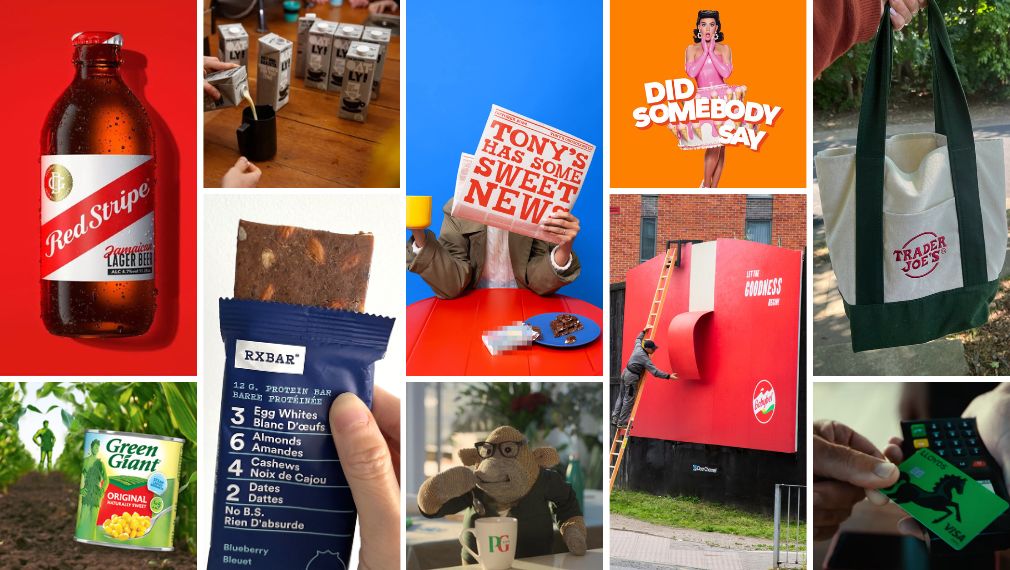
Distinctive Brand Assets (DBAs) are often discussed in the context of big creative ideas, high-profile campaigns and major media investments that demand boardroom attention. While these large-scale executions certainly have their place, much of the real brand-building work takes place elsewhere. The quieter, everyday touchpoints where brands intersect with consumers often play an overlooked role in shaping mental availability.
These under-utilised moments, spread across owned, earned and operational touchpoints, represent some of the most effective opportunities to embed brand assets into consumers’ memory structures. Unlike costly media buys, many of these channels are already sitting within the business. They simply require activation with intent and discipline.
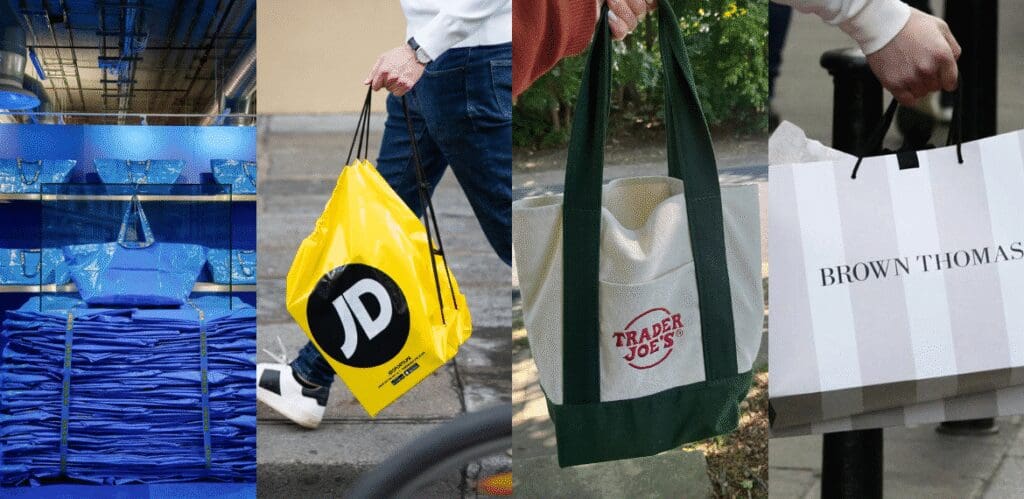
Shopping bags are a simple example of owned touchpoints being transformed into highly effective Distinctive Brand Assets. In the hands of brands like IKEA, JD Sports, Trader Joes or Brown Thomas, the shopping bag moves beyond its functional role, becoming a mobile piece of brand media. Each one carries more than purchases, extending the brand’s reach and reinforcing key DBAs in the real world. When treated strategically, these everyday items become a repeatable and cost-efficient mechanism for building Brand Attribution outside of traditional media channels.
This principle extends across a wide spectrum of owned media. Bank cards, storefronts, delivery fleets, uniforms and digital interfaces all represent daily consumer interactions that can reinforce Distinctive Brand Assets. HSBC’s hexagon, Lloyds’ black horse and Monzo’s distinctive coral cards are not simply design elements, they instantly connect a high frequency interaction back to the brand.

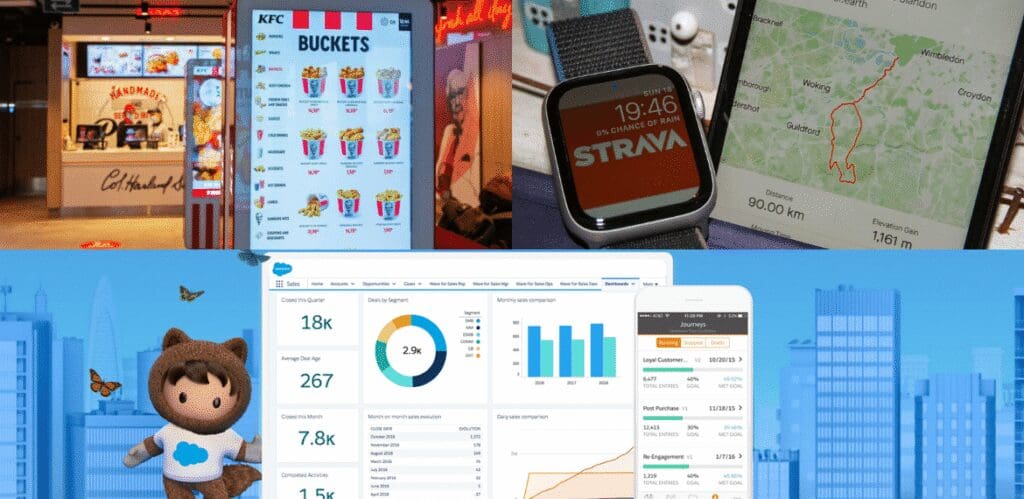
Digital platforms are often overlooked, yet vital brand spaces—especially in service or tech categories. Embedding brand colours, iconography, and elements into user interfaces helps extend DBAs into the digital experience. Whether it’s a mobile or watch app, an educational dashboard, a self-serve kiosk or even a B2B portal, these platforms can be rich ground for reinforcing distinctiveness beyond advertising.

Delivery vehicles, when consistently kitted with Distinctive Brand Assets, become rolling billboards. DHL’s bold yellow and red vans, along with UPS’s brown fleet, are instantly recognisable across travelled markets—turning every journey into an impression at scale. This holds true across categories: Deliveroo’s turquoise-clad riders cycling through city streets achieved scores of 70% Asset Recognition and a phenomenal 94% Brand Attribution in a recent Distinctive BAT study. These moments quietly build distinctiveness through repeated, visible interaction with consumers. (Read more about Deliveroo and other UK food delivery brands in this case study.)

A brand’s storefront is often its boldest physical expression, yet many overlook its potential as a memory structure. Sephora’s bold black-and-white stripes spark recognition from afar, driving Brand Attribution even without internal foot traffic. Other brands, such as Montblanc and Louis Vuitton, embed their iconography into premium facades that reflect their own take on distinctive styles.

Staff uniforms can be a powerful tool for reinforcing brand identity. DHL’s delivery teams wear uniforms that echo the design of their vans and packaging, creating a cohesive and recognisable visual system. Whether delivering parcels or appearing in sponsorships—like surf lifesaving teams—the uniform ensures the brand stays front and centre.

Glassware is an unexpected but highly effective touchpoint in beverage branding. Even the glass you sip from can reinforce who poured it. Guinness, for example, has developed proprietary glass shapes that enhance both the drinking experience and brand visibility. The pint glass has become an asset in itself, found in kitchen cupboards globally. Heineken’s revamped glassware also helps distinguish the brand in crowded bar environments, reinforcing consistency across consumption occasions.

Large-scale experiential activations also benefit from DBA rigor. A pop-up at Coachella or a PR brand stunt needn’t purely be about visibility. It is a prime opportunity to reinforce and embed Distinctive Brand Assets. Coca-Cola, Johnnie Walker, and Pizza Hut ensure their assets remain unmistakably present, providing instant Brand Attribution even in cluttered fast-paced environments.

Not every touchpoint must carry the weight of distinctiveness. But if building mental availability is your brand’s current challenge, it is worth thinking deliberately about how more of these moments could fulfil the role.
While many brands have invested in defining and codifying their Distinctive Brand Assets, the true commercial value lies not in their existence but in their systematic application. Embedding these assets consistently across the full spectrum of consumer touchpoints is what allows brands to transform transient exposure into lasting memory structures.
Consistency remains the foundation of embedding distinctiveness. For internal teams, repeating the same assets across multiple executions may feel uninspired. However, for consumers, who encounter brands in fragmented and fleeting moments, repetition is essential. Every consumer interaction, no matter how small, contributes to the accumulation of salience.
If you would like to assess the strength of your Distinctive Brand Assets or sharpen your strategy, Distinctive BAT can help.